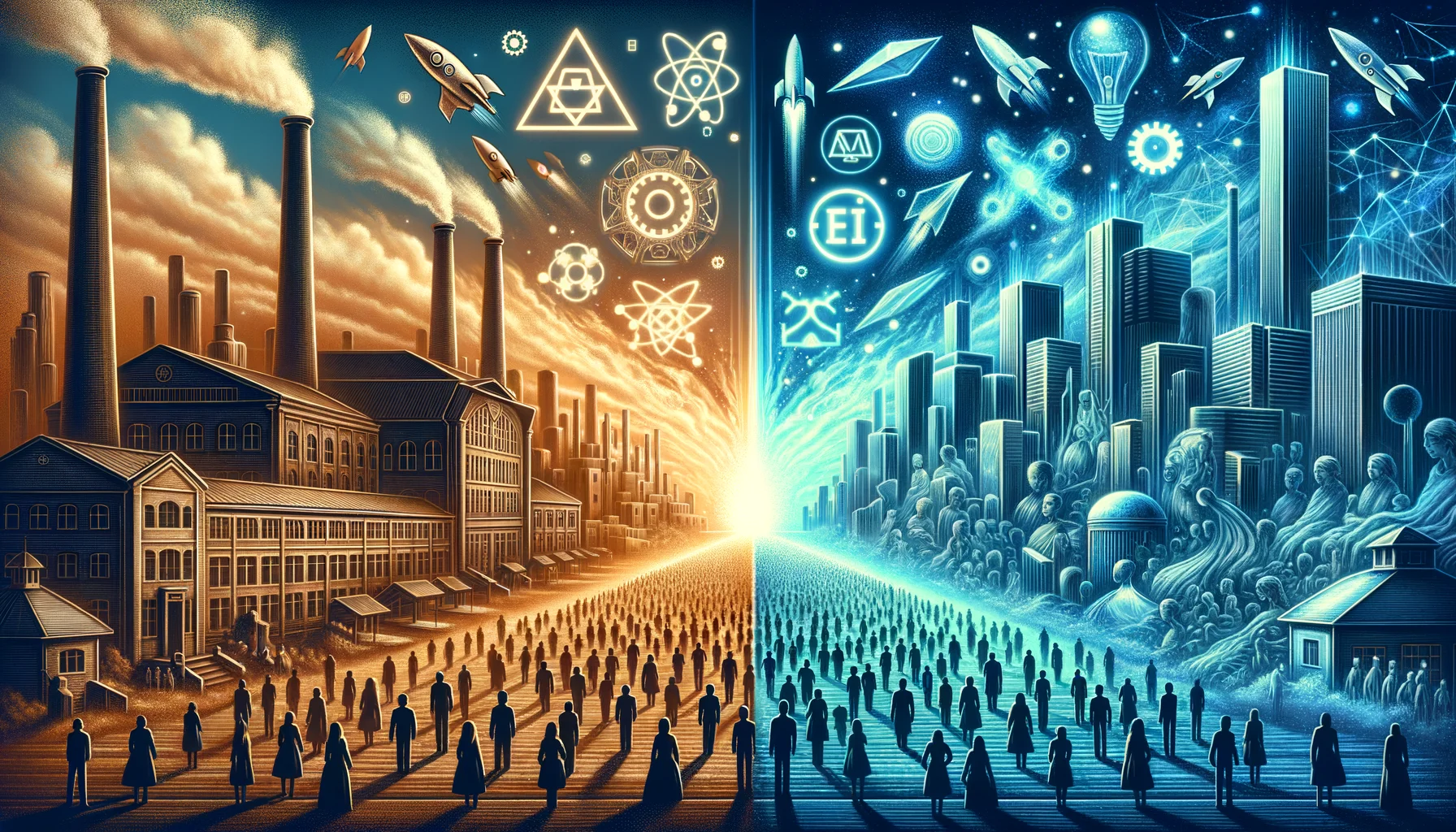
The Hidden Cost of America's Broken Education System: A Lost Opportunity for Innovation and Economic Growth
The failure of the U.S. education system isn’t just a crisis for students—it’s a crisis for the entire economy. When young people graduate without the skills needed to be productive, innovative, and adaptable, the country doesn’t just lose individual potential—it loses trillions of dollars in economic output, technological breakthroughs, and improvements to the standard of living.
Every year, millions of young people enter the workforce unprepared, underemployed, or burdened by debt, unable to contribute meaningfully to the economy. Instead of creating new industries, advancing science, or driving productivity, they are stuck in low-value jobs, struggling to make ends meet.
If America’s education system actually prepared students for the future, the economy would be stronger, innovation would accelerate, and the country would be far more competitive on the global stage.
How America’s Education Crisis Is Slowing Economic Growth
1. An Unprepared Workforce Is an Unproductive Workforce
- The most valuable workers in an economy are those who create new solutions—engineers, entrepreneurs, researchers, and innovators.
- Yet, America’s education system fails to produce enough highly skilled graduates, leaving major industries understaffed and underperforming.
- Employers in skilled trades, healthcare, and technology report persistent shortages of qualified applicants, even in years with low unemployment.
- If these roles were filled by properly trained graduates, they could generate billions in additional economic output.
Every underprepared graduate represents lost innovation, lost productivity, and lost economic potential.
2. America Is Falling Behind in Innovation and Global Competitiveness
- The U.S. was once the undisputed leader in technological and industrial innovation, but the country is losing its edge.
- The National Science Foundation’s Science and Engineering Indicators show that China now awards more science and engineering doctorates than the U.S.
- Without a pipeline of highly educated, innovative thinkers, the U.S. risks falling behind in the industries of the future—AI, biotech, clean energy, and advanced manufacturing.
Education isn’t just about personal success—it’s the foundation of a country’s capacity to create.
3. Underemployment and Wasted Talent Reduce GDP Growth
- Over 40% of recent college graduates are working jobs that don’t require a degree, according to the Federal Reserve Bank of New York.
- Instead of building new companies, advancing technology, or solving major societal problems, millions of highly educated Americans are stuck in jobs that fail to utilize their skills.
- This underemployment crisis reduces overall economic output, slows productivity growth, and suppresses wages.
An economy thrives when people get to do the most valuable work they are capable of.
4. The Student Debt Crisis Prevents Investment in Growth
- Americans owe more than $1.7 trillion in student loan debt (Federal Reserve), which delays homeownership, business creation, and long-term investing.
- Many graduates spend a decade or two paying off loans, reducing their ability to contribute to economic growth through entrepreneurship, investing, and spending.
- Instead of fueling new businesses and economic expansion, student loan payments are funneled back into banks and government coffers.
A generation trapped in debt is a generation that isn’t innovating, investing, or driving economic expansion.
5. Poor Education Worsens Health and Financial Decision-Making, Increasing Economic Burdens
- A lack of health literacy leads to poor lifestyle choices, which increases healthcare costs and workforce absenteeism.
- A financially illiterate population makes poor investment decisions, contributing to economic instability and personal debt crises.
- Better education would lead to healthier, wealthier citizens—and a stronger economy overall.
An economy functions best when its citizens are informed, financially responsible, and healthy.
The Economic Opportunity of Fixing Education
- Even modest gains in what students actually learn compound across a working life: more people qualified for skilled work, more businesses started, fewer avoidable financial and health mistakes.
- If underemployed graduates were trained for high-demand industries, the U.S. could fill millions of jobs in tech, healthcare, and advanced manufacturing.
- A better-educated workforce could dramatically increase the standard of living by accelerating the development of new industries, medical breakthroughs, and productivity-enhancing technologies.
America’s future wealth depends on an education system that actually works.
What Needs to Change?
To unlock America’s full economic potential, schools must:
- Teach Skills That Matter – Replace outdated coursework with financial literacy, AI skills, and entrepreneurship.
- Invest in STEM and Technical Education – Strengthen engineering, biotech, AI, and clean energy education to stay competitive.
- Make Higher Education More Affordable – Reduce the student debt burden so graduates can invest in businesses, homes, and innovation.
- Teach Self-Learning & Adaptability – Train students to think critically, solve problems, and continuously learn in a changing economy.
Conclusion: The Cost of Educational Failure Is Too High
A failing education system doesn’t just hurt students—it cripples national economic growth, slows innovation, and limits America’s future potential.
- Unprepared graduates reduce productivity.
- Underemployment wastes talent.
- Student debt prevents economic expansion.
- Lack of innovation weakens global competitiveness.
America is leaving trillions of dollars on the table because its education system fails to produce the highly skilled, highly productive workforce needed for the 21st century.
The longer the system remains broken, the more wealth, innovation, and economic strength the country loses.
Because in the modern economy, a country is only as rich as its knowledge—and right now, America is failing to invest where it matters most.