Education: What You Know
Freedom of information and open access to knowledge. The ability to acquire, exchange, explore, and express understanding.
The Principle
Education is not just formal schooling. It is the infrastructure of knowledge itself: the freedom to explore, to learn by doing, to check claims against evidence, to prove what you know, and to share it without gatekeepers. Knowledge must flow freely across borders and generations, at the speed of need, for a lifetime.
The Five E’s of Education
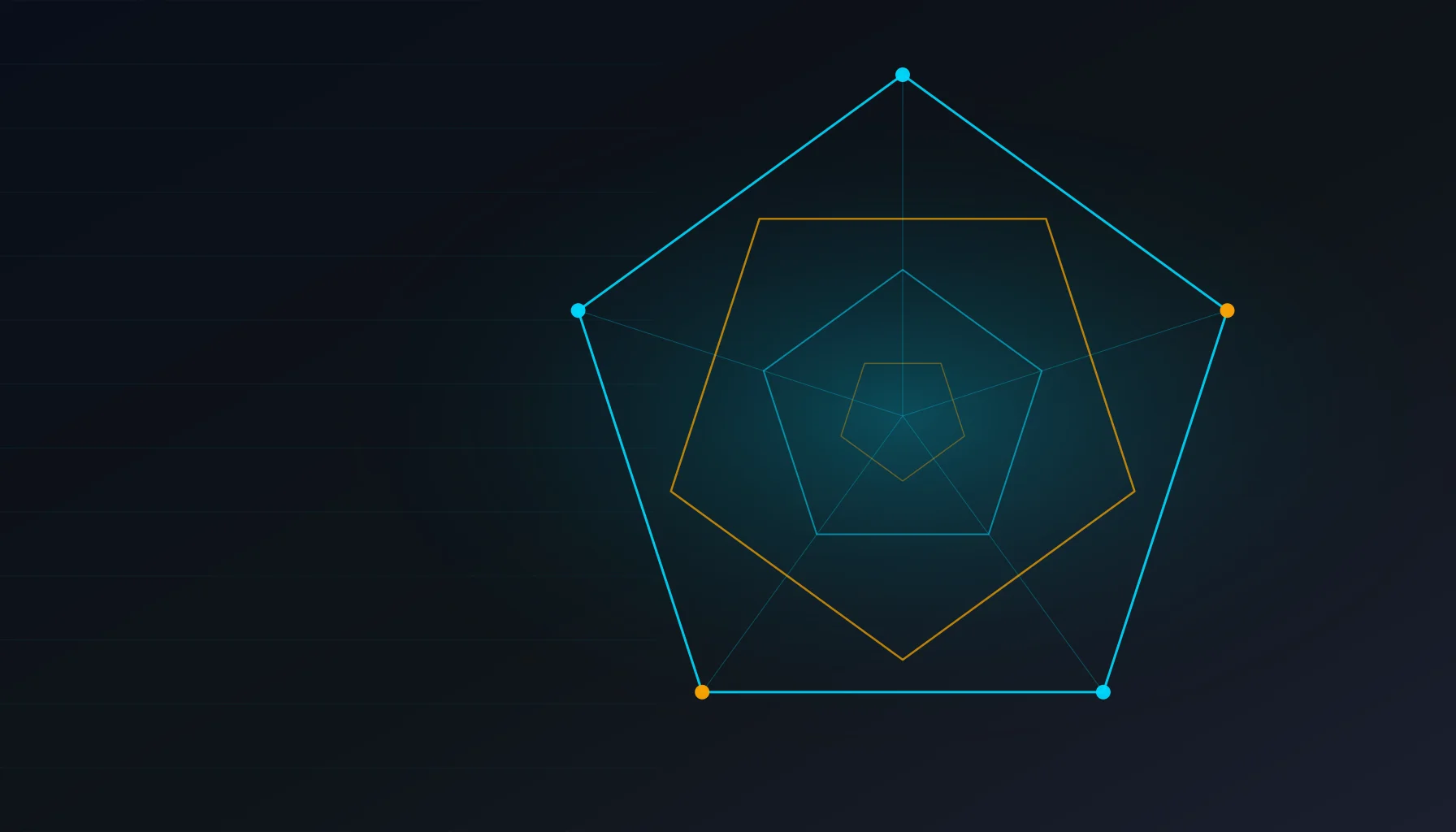
The Education rung has its own five E’s, the five things every learner needs at any age:
- Exploration – Follow the curiosity. The freedom to investigate, experiment, and discover, in any direction.
- Experience – Learn by doing. Projects, apprenticeships, and real work teach faster than lectures, and leave you with something to show for it.
- Evidence – Check the claim. Transparent methods, verifiable sources, and collective sense-making, so claims can be checked rather than taken on authority.
- Expertise – Prove what you know. Mastery you can demonstrate. Skills matter more than credentials, and the proof is in the work.
- Expression – Share and teach. The freedom to share ideas and communicate without censorship or surveillance. Being heard matters as much as learning.
What We’re Building Toward
- Learning happens at the speed of need: personalized, self-paced, available the moment you need it.
- Mastery replaces seat time: you move on when you’ve learned it, not when the calendar says.
- The fundamentals take hours, not years, freeing the rest of the day for projects, life skills, and real work.
- Education is wider than a few academic subjects, and keeps pace with an exponentially changing world.
- Learning is lifelong and enjoyable, not a few years in youth followed by decades of nothing.
- Knowledge is open and freely accessible to everyone, everywhere.
- Teachers become guides: AI handles the drilling, adults handle motivation, coaching, and character.
- Skills matter more than credentials, and outcomes are measured and published rather than assumed.
Knowledge That Shouldn’t Die With Us
Every person carries deep knowledge that exists nowhere else: what they learned from their own work, their own mistakes, their own decades of experience. Most of it is never written down, and when they go, it goes with them. Organizations have the same problem; small volunteer groups lose their institutional knowledge every time someone moves on.
Capturing that knowledge and putting it to work, rather than letting it vanish, is part of what this rung is for. Expertise is only worth something if it can be shared.
Further Reading
Much of this site is about education, because it is where the ladder most often breaks:
- Learning at the Speed of Need
- The Inefficiency of School
- Grades Measure Compliance, Not Mastery
- If Schools Were Actually Preparing Students for the Future, What Would They Teach?
- Why Schools Fail to Teach the Most Important Skill: Learning How to Learn
- Learning Through Projects
- Education Is More Important Than Ever—But a Degree Isn’t
- Skills Over Credentials
Next rung: Enterprise.